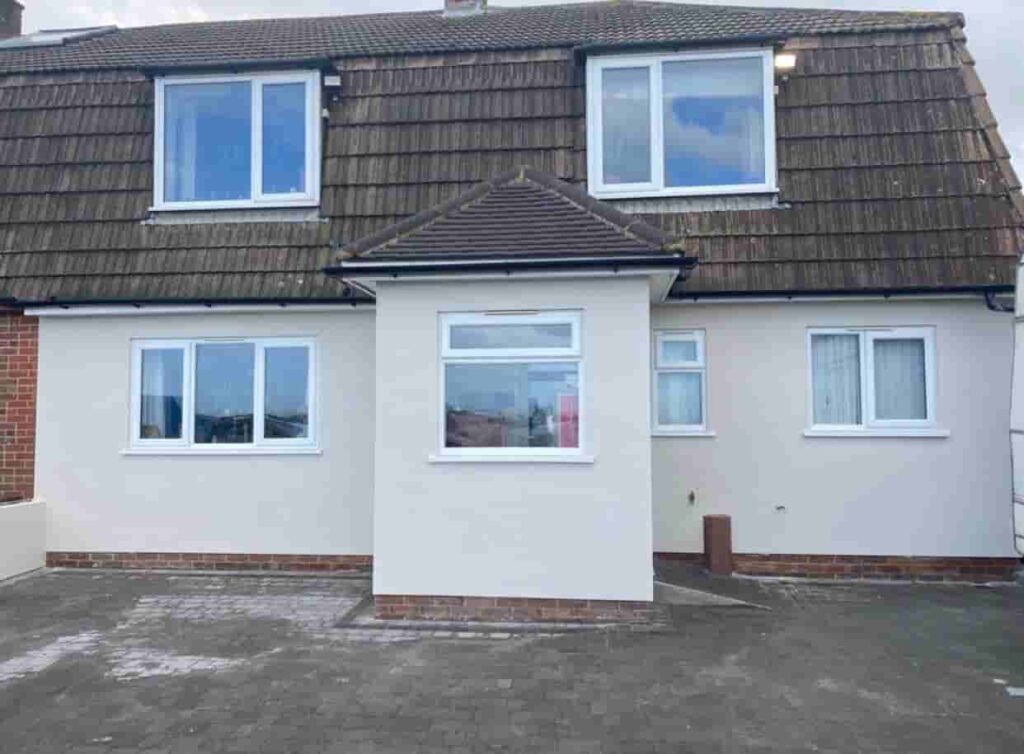
A slipped, cracked or damaged roof tile may appear to be a small and isolated problem. However, roof coverings are designed to work as a continuous system, with each tile helping to direct rainwater safely down the roof. When one part of that system is disrupted, the effects can sometimes extend beyond the tile that is visibly damaged.
For homeowners in Enderby, Leicestershire, addressing damaged roofing materials promptly can help protect the surrounding roof. The important step is not simply to replace the obvious tile, but to establish why it moved or failed and whether neighbouring components have also been affected.
How Slipped and Damaged Tiles Can Affect the Wider Roof
Tiles overlap in a carefully arranged pattern so that water passes from one course to another without reaching the layers underneath. A displaced or broken tile can interrupt this arrangement and expose areas that are normally protected.
The extent of the resulting problem depends on the location of the damage, weather conditions and the condition of surrounding roofing materials.
A professional assessment can determine whether the defect remains localised or has begun affecting a wider section.
Water Can Reach Beneath the Roof Covering
One of the main concerns with a slipped tile is the opening it can create within the external roof covering.
Rainwater that would normally flow over the tile can reach the materials beneath. Although the roof may contain secondary weather-resistant layers, these are not intended to compensate indefinitely for a defective external covering.
Repeated exposure can allow moisture to travel beyond the immediate location of the damaged tile.
This is why a small external defect can sometimes produce signs of water ingress some distance away.
A Leak May Appear Away From the Damaged Tile
Water does not necessarily travel vertically once it passes beneath the roof covering.
It can follow underlay, battens, timbers or other surfaces before reaching a point where it becomes visible inside the property. Consequently, a damp patch on a ceiling may not sit directly beneath the damaged tile responsible for the problem.
This can make roof leaks difficult to diagnose from inside the property alone.
A proper inspection considers both the internal signs and external roof condition so the actual route of water ingress can be identified.
Neighbouring Tiles May Also Have Become Unstable
A slipped tile should not always be considered in isolation.
If the tile moved because of a deteriorated fixing, movement or another local weakness, nearby tiles may have experienced similar conditions.
Simply returning one tile to position without checking the surrounding area could leave other unstable components unnoticed.
A professional repair should therefore include an assessment of neighbouring tiles and relevant fixings to establish whether the defect is genuinely limited to one location.
One Missing Tile Changes How Water Moves Across the Roof
Roof tiles are arranged to manage rainfall in a predictable way.
When a tile is missing or substantially displaced, water can be directed towards parts of the roof that would not normally receive the same level of exposure. During wind-driven rain, moisture may also be pushed beneath adjoining tiles.
This can increase the area affected beyond the original opening.
Restoring the correct overlap is therefore important not simply for appearance but for maintaining the intended water-shedding performance of the complete roof covering.
Damaged Tiles Can Expose the Underlay
The materials beneath tiles provide an important secondary layer within the roofing system.
When the external covering is intact, these materials remain protected from direct and repeated weather exposure. A missing or damaged tile can leave them more exposed.
If the defect remains unresolved, the affected area may experience repeated wetting during periods of rainfall.
Repairing the external covering promptly helps return the roof to its intended arrangement and reduces unnecessary exposure of the layers underneath.
Wind Can Make a Small Problem Worse
A tile that has only moved slightly can become more vulnerable during windy conditions.
Once its normal fixing or position has been compromised, wind may be able to lift or move the tile further. This can enlarge the exposed area or affect neighbouring tiles.
A loose component can also create movement around adjoining materials.
For this reason, a tile that appears only slightly displaced should still be assessed. Addressing the cause while the problem remains localised can prevent a relatively straightforward defect from developing further.
Broken Tiles Can Affect Lower Sections of the Roof
Fragments from a damaged tile can sometimes move down the roof.
Depending on where they settle, debris may interfere with other roof details or drainage routes. The original broken tile can also allow water beneath the covering, where it may travel towards lower sections.
The visible damage at the upper part of the roof therefore does not necessarily represent the full area that should be checked.
Inspecting the route below the damaged section can help establish whether any additional attention is required.
Damage Near Roof Junctions Deserves Particular Attention
Tiles located close to valleys, flashing, ridges, verges or other roof junctions form part of areas where careful water management is especially important.
If a tile becomes displaced near one of these details, water may gain access around the adjoining junction or alter how rainfall is directed across it.
The resulting leak can then appear to originate from the junction itself even though the displaced tile contributed to the problem.
Assessing these components together can help avoid treating the wrong part of the roof.
Repeatedly Slipping Tiles Can Indicate an Underlying Issue
A tile that slips once may have a straightforward local cause. Tiles that repeatedly move in the same area deserve more investigation.
Recurring movement may indicate that the problem is not simply the tile itself.
It is useful to establish whether the fixing, supporting materials or surrounding roof covering is contributing to the repeated failure. Without identifying that cause, repositioning the tile may provide only a temporary improvement.
Effective roof repairs should resolve why the component moved, not merely return it to its previous position.
Several Damaged Tiles Can Reveal a Wider Pattern
Multiple damaged or displaced tiles across the same roof can indicate that deterioration is becoming more widespread.
This does not automatically mean extensive roofing work is required. However, it does make a broader assessment worthwhile.
Signs to consider include:
- Several tiles slipping within the same section
- Cracks appearing across neighbouring tiles
- Repeated problems after previous repairs
- Increasing numbers of loose roofing materials
- Water ingress occurring in more than one location
- Visible deterioration around adjoining roof details
Looking at the pattern helps determine whether targeted repairs remain appropriate or whether a larger section requires attention.
Prompt Repairs Can Help Protect Sound Roofing Materials
One of the main benefits of dealing with damaged tiles promptly is the protection it provides to surrounding components.
A localised defect may initially affect only one or two tiles. If water repeatedly enters beneath the covering or movement continues, materials that were previously sound can become exposed to unnecessary stress.
Repairing the defect while neighbouring areas remain serviceable can help prevent that progression.
This does not mean every damaged tile represents an urgent widespread failure. It means that early assessment can keep a manageable problem from becoming more extensive.
Why Simply Replacing the Visible Tile May Not Be Enough
Replacing a cracked or missing tile can be the correct repair when the cause and extent of the problem are understood.
However, focusing exclusively on the visible component can overlook why it failed.
A professional assessment should consider:
- The condition of neighbouring tiles
- Whether the relevant fixings remain secure
- Signs of water beneath the covering
- Nearby roof junctions
- Previous repair areas
- Whether the tile has moved before
- Any evidence of broader deterioration
This provides a clearer basis for carrying out a repair that addresses the problem rather than only its appearance.
When Can a Targeted Tile Repair Be Effective?
Many slipped and damaged tile problems remain suitable for localised repair.
If the surrounding roof is sound, the cause can be clearly identified and no wider deterioration is present, repairing or replacing the affected roofing materials may restore reliable performance.
There is no need to assume that one damaged tile means a substantial section of roof requires work.
The key is confirming the extent of the problem first. This allows serviceable materials to remain undisturbed while attention is focused where it is genuinely required.
Professional Assessment Helps Identify the Full Extent
From ground level, it can be difficult to determine whether a slipped tile has affected anything beyond the obvious area.
At Enderby Roofing Repairs, we assess roofing problems in Enderby, Leicestershire by considering the damaged component alongside surrounding tiles, relevant roof details and any signs of water ingress.
This helps establish whether the problem is genuinely isolated or whether additional areas require attention. The aim is to carry out work that matches the roof’s actual condition rather than assuming either that the defect is insignificant or that extensive work is automatically necessary.
Conclusion
Yes, slipped or damaged tiles can cause problems beyond their immediate location. Water can travel beneath the roof covering, neighbouring tiles can become unstable and changing water flow can expose areas that would normally remain protected.
However, a damaged tile does not automatically indicate a major roofing problem. When the defect is identified early and surrounding materials remain sound, a targeted professional repair can often restore the roof effectively.
If you have noticed slipped, cracked or damaged tiles on your property in Enderby, Leicestershire, contact Enderby Roofing Repairs. We can assess the affected section, identify the cause of the problem and recommend an appropriate repair based on the condition of the surrounding roof.
Call us on: 0116 216 3997
Click here to find out more about Enderby Roofing Repairs
Click here to complete our contact form and see how we can help with your roofing needs.